MARINE DEFENDERS
  • Home
    • About
    • Contact
  • Oil Pollution Laws
    • Coast Guard Inspection
    • A Prosecutor's Perspective
    • Oil Pollution Act of 1990
    • Tools for Educators
  • Whistleblower Files
    • Whistleblower Notes
    • A Whistleblower Perspective
    • List of Whistleblower Awards
  • Oil Pollution Facts
    • A Toxicologist's Perspective
    • Oil in A Nesting Ground
    • Impact on Mammals, Birds and Fish
  • Coastal Impacts
    • Mass Coastal Environment
    • Buzzards Bay
    • New Bedford Mystery Solved
    • Hidden Costs of Spills
    • Lesson from An Old Spill
    • Chris Reddy: Marine Defender
    • Mass Resources for Mariners
    • NJ Coastal Environment
    • Delaware Bay and Oil
    • Recreational Boaters
    • Marine Debris Facts
  • Report Spills
  • News
  • Watch

Buzzards Bay​

Picture

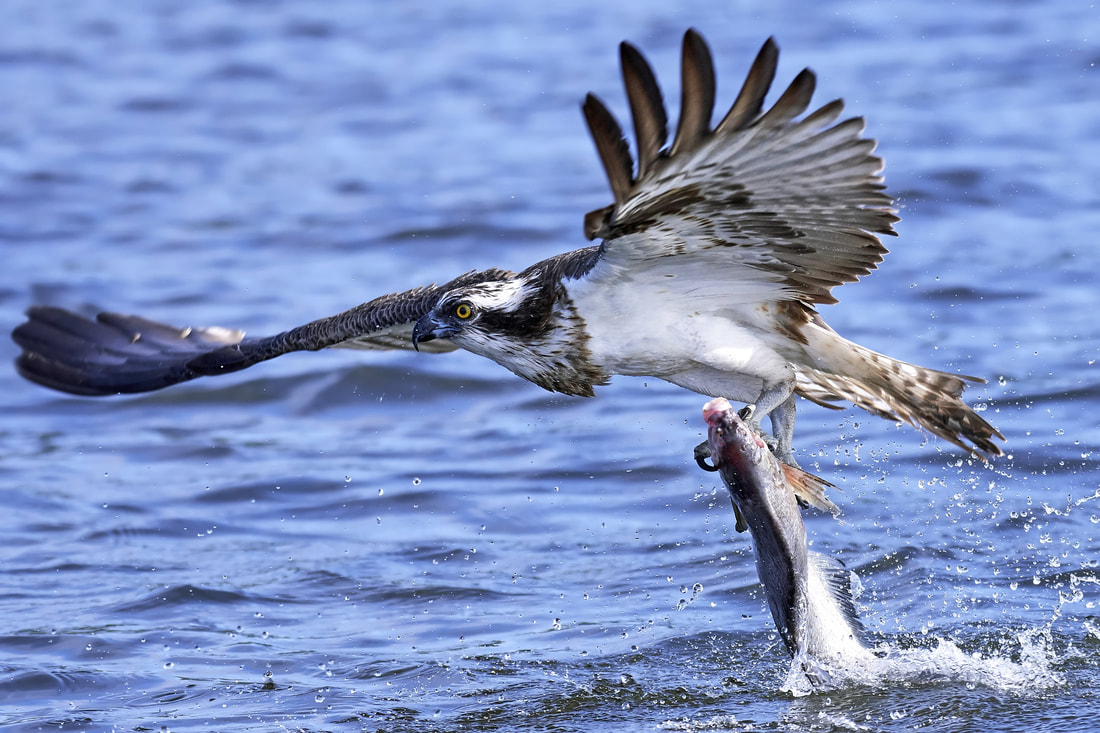
Colonists, who first settled the area in 1621, named Buzzards Bay after a large native bird, most likely an osprey, which still breed along its shores today.

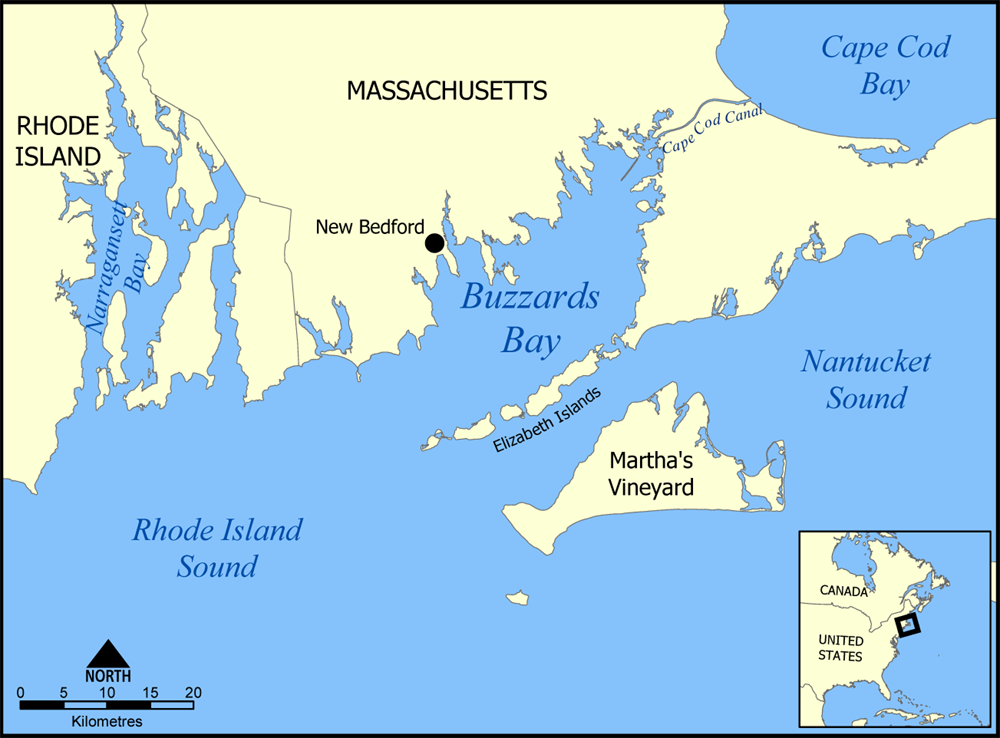
Buzzards Bay is approximately 28 miles long, 8 miles wide, and covers nearly 310 miles of coastline, and 
is a popular destination for fishing, boating, and tourism and home to several endangered species. 
 
The Bay is also major transit route for small oil tankers and barge traffic transporting heating and industrial oil and gasoline to Boston and northern New England.

​Nearly 1.6 billion gallons of oil are estimated to pass through the narrow canal connecting Buzzards Bay and Cape Cod Bay each year.
​
Picture
Buzzards Bay, Massachusetts. Credit: Norman Einstein
Buzzards Bay was designated "an estuary of national significance" which is "threatened by pollution, land development, or overuse" in 1989.   One of the largest threats comes from marine oil spills.  The bay has been impacted by at least 16 major marine oil spills between 1963 and 2013, according to the Buzzard Bay National Estuary Program.
Picture
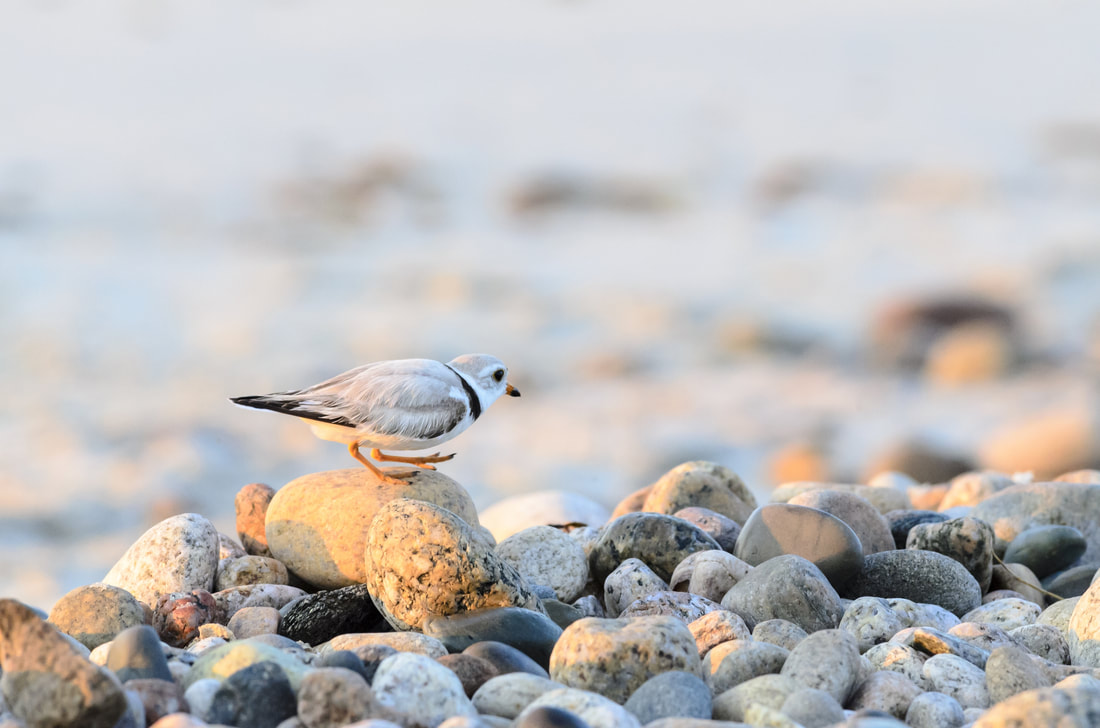
Piping Plover. Credit: Pond 5
PIPING PLOVER

Buzzards Bay is also breeding site for the 
Piping Plover. 

With sand-colored plumage, they dash in starts and stops across dunes, and communicate in bell-like whistles.  You might see them hold a foot in front of their bodies and vibrate it as a wave passes over the sand, bringing small invertebrates to the surface where they can easily grab them. Most plovers lay their eggs in May and chicks hatch in June.  

​
Piping Plovers are on the endangered species list and are believed to have a global breeding population of less than 8,400 individuals.
Threatened Sea Turtles

Green Turtles, Loggerheads, leatherback and Kemp's Ridley, the smallest and most endangered turtle in the world, also visit the Buzzards Bay to eat a variety of aquatic plants and animals, including sponges, crabs, mollusks, fish, jellyfish, and algae.  All four of these turtle species are threatened or endangered.

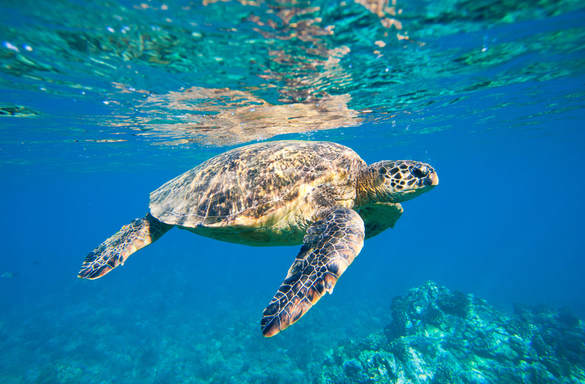
Green turtles, named after the color of its body fat, usually appear in Buzzards Bay in late summer, and adults can reach as much 400 pounds.  
Picture
Green Sea Turtle. Credit Pond5

Home

About

Report Spills

Contact

Copyright © 2018
  • Home
    • About
    • Contact
  • Oil Pollution Laws
    • Coast Guard Inspection
    • A Prosecutor's Perspective
    • Oil Pollution Act of 1990
    • Tools for Educators
  • Whistleblower Files
    • Whistleblower Notes
    • A Whistleblower Perspective
    • List of Whistleblower Awards
  • Oil Pollution Facts
    • A Toxicologist's Perspective
    • Oil in A Nesting Ground
    • Impact on Mammals, Birds and Fish
  • Coastal Impacts
    • Mass Coastal Environment
    • Buzzards Bay
    • New Bedford Mystery Solved
    • Hidden Costs of Spills
    • Lesson from An Old Spill
    • Chris Reddy: Marine Defender
    • Mass Resources for Mariners
    • NJ Coastal Environment
    • Delaware Bay and Oil
    • Recreational Boaters
    • Marine Debris Facts
  • Report Spills
  • News
  • Watch