MARINE DEFENDERS
  • Home
    • About
    • Contact
  • Oil Pollution Laws
    • Coast Guard Inspection
    • A Prosecutor's Perspective
    • Oil Pollution Act of 1990
    • Tools for Educators
  • Whistleblower Files
    • Whistleblower Notes
    • A Whistleblower Perspective
    • List of Whistleblower Awards
  • Oil Pollution Facts
    • A Toxicologist's Perspective
    • Oil in A Nesting Ground
    • Impact on Mammals, Birds and Fish
  • Coastal Impacts
    • Mass Coastal Environment
    • Buzzards Bay
    • New Bedford Mystery Solved
    • Hidden Costs of Spills
    • Lesson from An Old Spill
    • Chris Reddy: Marine Defender
    • Mass Resources for Mariners
    • NJ Coastal Environment
    • Delaware Bay and Oil
    • Recreational Boaters
    • Marine Debris Facts
  • Report Spills
  • News
  • Watch

9/16/2018

Study examines Impact of oil dispersants on oysters

Comments

Read Now
 
Picture
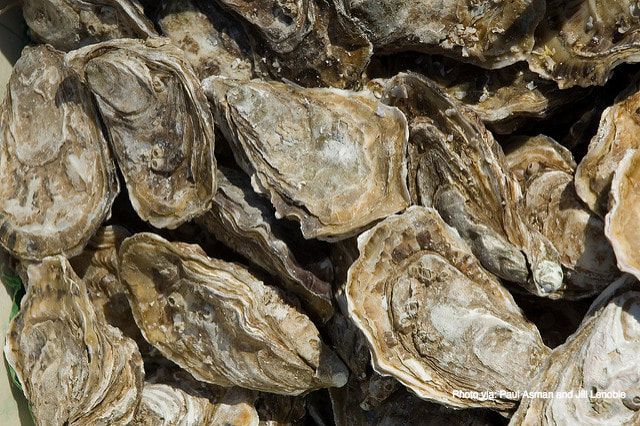
A new study by researchers at the University of Connecticut, funded by the Morris Animal Foundation, has found that the dispersant used to clean up the Deepwater Horizon Oil Spill has toxic effects on oysters.

In 2010 during the wake of Deepwater Horizon, roughly 2 million gallons of the Corexit® 9500 dispersant was used to break up the spilled oil, the largest use of such chemicals in US history. Dispersants do not make oil disappear, rather they help to break it down into tiny particles that are easier for microbes to ingest.

While scientists were aware that there were risks in using these chemicals at the time, this new study examines exactly how oysters are affected by the dispersant. The team compared oysters in a controlled environment that contained only oil, with environments that contained the dispersant, and a mix of oil and the dispersant -- and then measured the effects on the oysters immune function and ability to feed.

The dispersant alone was most toxic to the oysters’ immune systems, followed by the mixture, and then the oil alone.  For feeding rates, the mixture of oil and dispersant was most disruptive, followed by the oil, and then the dispersant.

Dr. Kelly Diehl, Morris Animal Foundation Interim Vice President of Scientific Programs, said of the study, “Knowing the effects dispersants and oil have on oysters can help us make better mitigation recommendations the next time an environmental and ecological crisis like this happens. Species are interconnected, and what harms oysters will likely cascade through their ecosystem to the detriment of all.”

Keeping as much oil out of the water as possible is obviously the best choice for marine life, but the more we know about the impact of the tools in our oil spill-fighting arsenal, the better we can deploy them in the future.

Share

Comments
Details

    Author

    Marine Defenders is an educational program designed to reduce chronic oil pollution.

    Archives

    February 2019
    January 2019
    December 2018
    November 2018
    October 2018
    September 2018
    August 2018
    July 2018

    Categories

    All
    Intentional Dumping
    Magic Pipe
    Nitta Kisen Kaisha
    North Carolina
    Whistleblower

    RSS Feed

Home

About

Report Spills

Contact

Copyright © 2018
  • Home
    • About
    • Contact
  • Oil Pollution Laws
    • Coast Guard Inspection
    • A Prosecutor's Perspective
    • Oil Pollution Act of 1990
    • Tools for Educators
  • Whistleblower Files
    • Whistleblower Notes
    • A Whistleblower Perspective
    • List of Whistleblower Awards
  • Oil Pollution Facts
    • A Toxicologist's Perspective
    • Oil in A Nesting Ground
    • Impact on Mammals, Birds and Fish
  • Coastal Impacts
    • Mass Coastal Environment
    • Buzzards Bay
    • New Bedford Mystery Solved
    • Hidden Costs of Spills
    • Lesson from An Old Spill
    • Chris Reddy: Marine Defender
    • Mass Resources for Mariners
    • NJ Coastal Environment
    • Delaware Bay and Oil
    • Recreational Boaters
    • Marine Debris Facts
  • Report Spills
  • News
  • Watch